Mixed Vegetable Seeds
Characteristics and Uses of Mixed Vegetable Plants
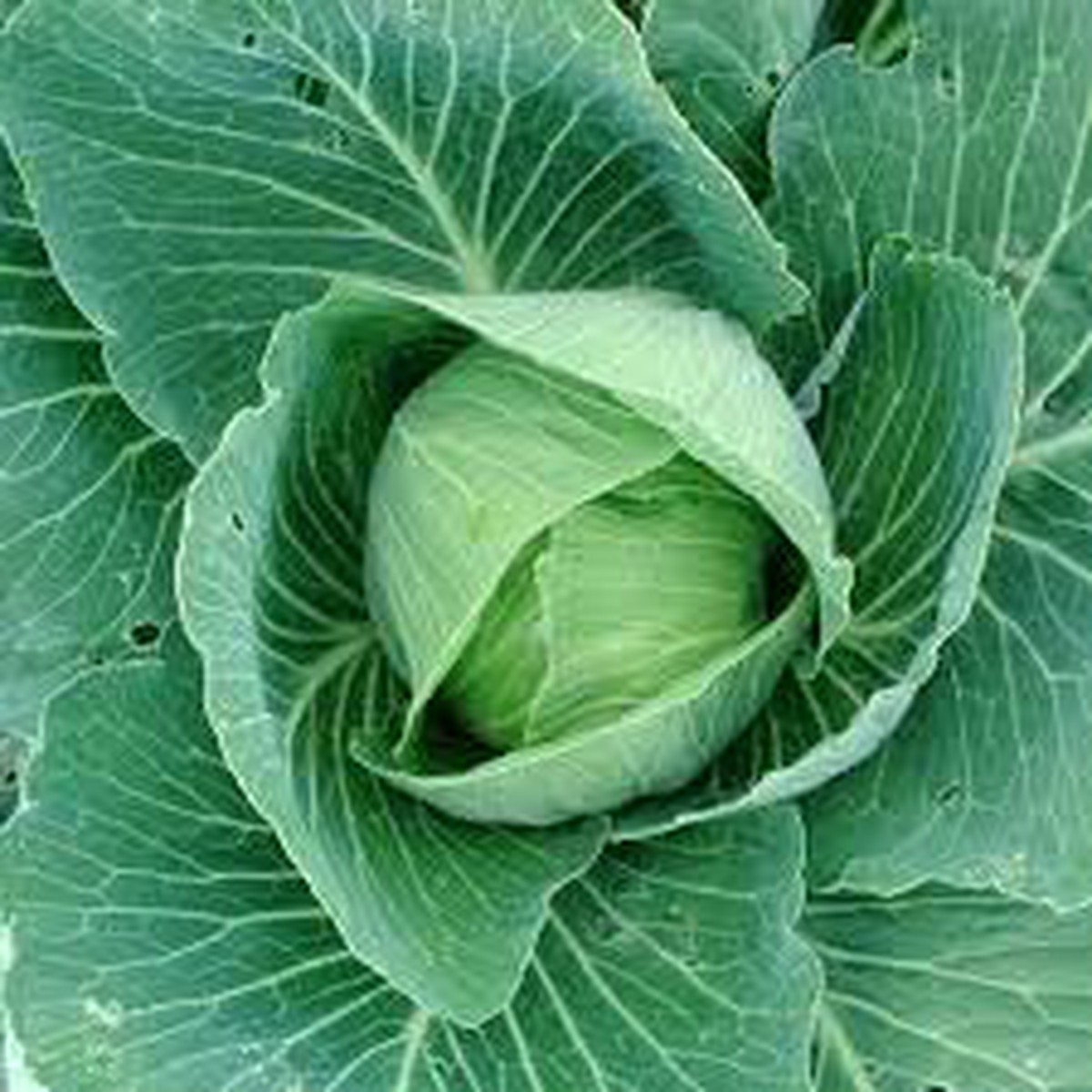
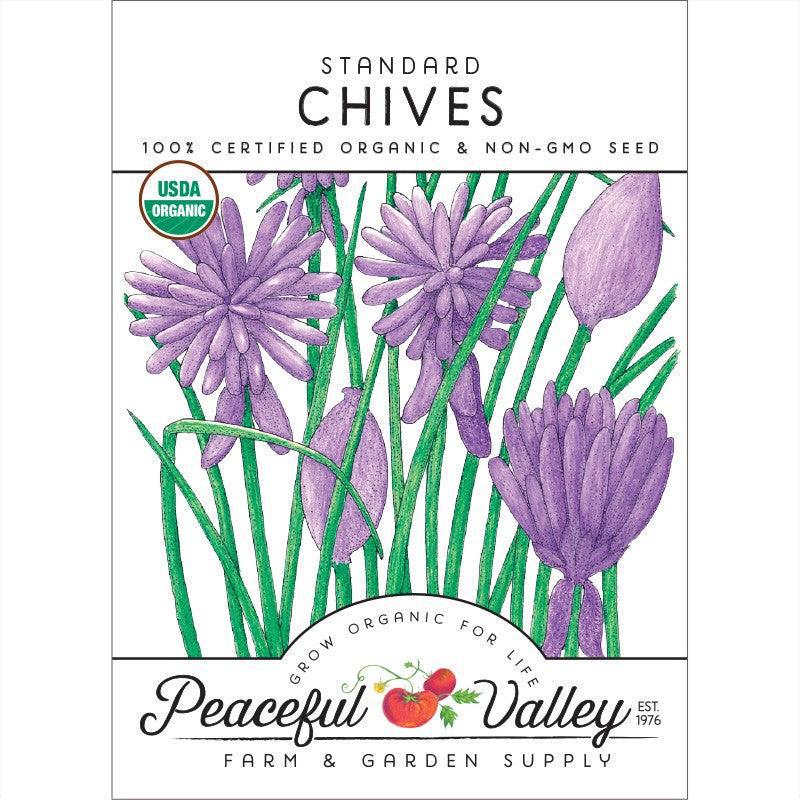
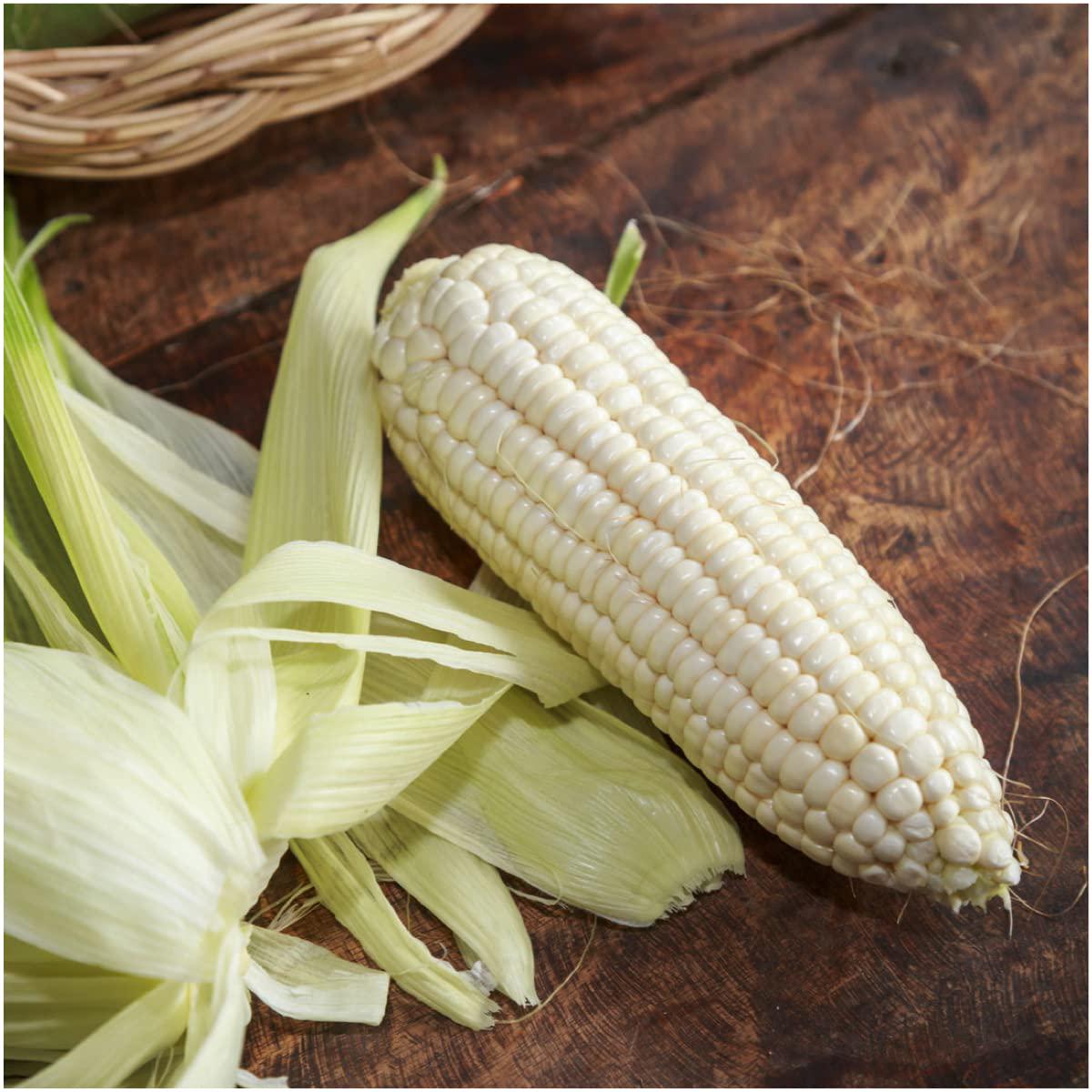
Mixed Vegetable Seeds offer a diverse selection of popular vegetables that are perfect for home gardens, providing a variety of flavors, colors, and textures. This mix typically includes seeds for vegetables such as tomatoes, peppers, carrots, and lettuce, allowing gardeners to create a bountiful and nutritious harvest. These non-GMO seeds are ideal for gardeners of all levels, making it easy to grow a vibrant vegetable garden that can enhance your meals and promote healthy eating.
Growing Conditions for Mixed Vegetable Plants
- Soil Type: Prefers well-drained, fertile soil rich in organic matter.
- Sunlight: Thrives in full sun, ideally receiving at least 6-8 hours of sunlight daily.
- Temperature: Grows best in warm temperatures, ideally between 65F to 75F.
Planting Tips for Mixed Vegetables
- Seed Depth: Sow seeds according to the specific requirements of each vegetable, generally 1/4 to 1 inch deep.
- Spacing: Space seeds or seedlings according to the recommended distance for each type of vegetable to ensure proper growth.
- Timing: Best planted in spring after the last frost for optimal growth and yield.
Watering Instructions and Tips
- Watering Frequency: Keep the soil consistently moist, especially during dry spells, but avoid overwatering.
- Watering Method: Water at the base of the plants to prevent wetting the foliage, which can lead to disease.
- Signs of Underwatering: Wilting leaves and dry soil indicate the need for more water.
Growing Zones
Mixed Vegetable Seeds thrive in USDA zones 3-10 and are suitable for global growing zones that experience similar temperate climates. This adaptability makes them a popular choice for gardeners looking to cultivate a variety of vegetables throughout the growing season.
Key Benefits & Uses
- Diverse Harvest: Grow a variety of vegetables in one garden, providing a range of flavors and nutrients.
- Health Benefits: Fresh vegetables are a great source of vitamins and minerals, promoting a healthy diet.
- Easy to Grow: Suitable for both novice and experienced gardeners, making vegetable gardening accessible to all.
Best Uses in the Garden & Landscape
- Home Vegetable Gardens: Ideal for creating a productive vegetable garden that supplies fresh produce.
- Companion Planting: Certain vegetables can benefit from being planted together, improving growth and pest resistance.
- Container Gardening: Can be grown in pots or raised beds, making them suitable for small spaces.
Conclusion
In conclusion, Mixed Vegetable seeds are an excellent choice for gardeners seeking to grow a diverse and nutritious array of vegetables


 Unconditional Satisfaction Guarantee